
All posts by boldnew2014

Smiling coworkers collaborating over laptop

The Hidden Costs of Poor Communication in Management

Effective communication is a critical component of successful management in any organization. When there is poor or ineffective communication, it can lead to an array of hidden costs that can have a significant impact on the organization’s bottom line. Here we will discuss some of the hidden costs associated with poor communication in management and the importance of addressing them in order to prevent costs from rising. 

Decrease in Employee Morale

One of the major hidden costs of poor communication is reduced employee morale and engagement. When messages are ambiguous or inconsistent, employees may feel disconnected and unsure about their roles and responsibilities. This can lead to decreased motivation, job satisfaction, and productivity. Poor communication also leads to misunderstandings, conflicts, and a lack of trust, which can further contribute to a negative work environment. 

Increase in Errors

Poor communication can also lead to an increase in errors and misunderstandings in day-to-day operations. When managers fail to communicate effectively with their teams, information can get lost or misinterpreted, leading to costly mistakes. These errors result in wasted time, resources, money, and damaged customer relationships. 

Increased Turnover

In addition, poor communication can also lead to increased turnover rates and higher employee absenteeism. When employees do not feel informed or supported by their managers, they may be more likely to seek opportunities elsewhere or to take time away from work due to stress or dissatisfaction. This increase in turnover and absenteeism can result in increased training costs, while also disrupting workflow and productivity. 

Missed Opportunities

Finally, poor communication in management can lead to missed opportunities for growth and innovation. When managers do not effectively communicate their goals and expectations, employees may not share possible ideas and feedback. This lack of communication can stifle creativity, preventing the organization from shifting with current market trends and capitalizing on new opportunities.


The hidden costs of poor communication in management can have a significant impact on the success of an organization. From decreased employee morale to increased turnover, increased errors, and the consequences of missed opportunities, this lack of communication can have costly consequences. For this reason, it is essential that managers prioritize clear, timely, and transparent communication with their employees in order to foster a positive and productive work environment. If you want to learn how to communicate effectively as a manager, start with one of our management training courses. Our courses are designed to help managers learn how to communicate in a way that promotes growth, innovation, and long-term success for their organization. Call today to learn more!

Confident businessman portrait with blurred colleagues

Teaching Managers to Lead with Transparency

Transparency is a fundamental component of successful leadership. When managers lead with transparency, they are open and honest with their team members, sharing information and insights that help them understand company goals, challenges, opportunities, and decisions. Transparency fosters a sense of trust, accountability, and collaboration, ultimately leading to a more engaged and productive team. 

Fosters a Positive Work Environment

Managers should lead with transparency if they want to create a positive work environment where employees feel supported and engaged. In turn, this helps to drive organizational success. By being transparent, managers can build trust with their team members, which is crucial for establishing strong relationships and fostering a sense of loyalty and commitment. Furthermore, when employees trust their leaders, this leads to open and honest communication where everyone is free to collaborate and share ideas. 

Creates Fairness and Equality

Transparency also helps to create a sense of fairness and equality within the organization. When managers are open about decision-making and the reasoning behind their actions, employees are more likely to feel like they are being treated fairly and with respect. Again, this helps to foster engagement and a positive work environment. 

Improves Accountability

Furthermore, transparency helps to improve accountability within the organization. When managers are open and honest about their goals and expectations, employees are more likely to take ownership of their work and hold themselves accountable for their actions. This leads to increased productivity, better performance, and a more engaged workforce. 

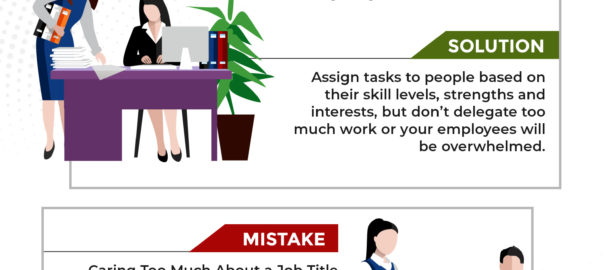
Leadership failure infographic showing causes and solutions

Communication Training for Difficult Conversations

Communication training for difficult conversations is a vital skill set for individuals in any professional setting. Challenging discussion can arise at any time, whether it’s addressing employee performance, navigating a customer discrepancy, or managing workplace disagreements. Effectively handling these conversations is essential for maintaining relationships, resolving conflicts, and achieving positive outcomes. 

Approach the Conversation with Empathy

One fundamental element of such training is to learn to approach difficult conversations with empathy and emotional intelligence. It is important to remember that difficult conversations can be very emotional and can sometimes trigger strong reactions. By approaching the conversation with empathy and a willingness to listen and understand the other person’s perspective, individuals can create a safe and supportive environment for open and honest communication. 

Assertive Communication

Another important component of communication training for difficult conversations is learning how to communicate assertively and effectively. Assertive communication enables individuals to communicate their thoughts, feelings, and needs confidently while also respecting the perspectives of others. This balanced approach can help individuals stay focused on the issues at hand, assert their boundaries, and work toward finding mutually beneficial solutions. 

Active Listening

Communication training for difficult conversations also involves developing active listening skills. Active listening involves fully engaging with the speaker, showing empathy, and seeking to truly understand their point of view. By actively listening during a difficult conversation, individuals can demonstrate respect, build trust, and create a foundation for a productive dialogue. 

Managing Emotions

Finally, communication training for difficult conversations should also include strategies for managing one’s emotions and staying calm under pressure. Emotions can run high during difficult conversations and it’s easy to start feeling frustrated, anxious, or defensive. Learning how to regulate these emotions can help individuals navigate difficult conversations with greater ease and effectiveness. 


In conclusion, communication training for difficult conversations is a valuable tool for individuals seeking to navigate challenging interactions with grace, empathy, composure, and effectiveness. Effective communication during difficult conversations is essential for building strong relationships, resolving conflicts, and fostering understanding. Our management training courses can help you build the confidence and communication skills necessary to navigate difficult conversations in a positive way so you can achieve optimal results. Call today to learn more about how to sign up!

Presenter in blue shirt with website text

The Role of Data in Modern Management Training

In today’s fast-paced and data-driven business environment, the role of data in modern management training has become increasingly important. Data enables organizations to identify skills gaps, tailor training programs, and measure the effectiveness of those training programs. By leveraging data, organizations can optimize their training programs, enhance employee performance, and drive business success. Here’s a more detailed look at the role of data in management training.

Identify Skill Gaps

Data analysis helps organizations pinpoint the specific areas where employees lack necessary skills or knowledge. This is done by analyzing performance data, employee evaluations, and training feedback. By understanding these gaps, organizations can tailor training programs to meet the needs of their specific workforce.

Tailor Training Programs

Data analysis allows for the personalization of training programs in order to meet the unique needs of the individual participants. By focusing on the specific skills that each employee needs, you increase engagement and retention. Furthermore, by analyzing employee learning styles and preferences, you can customize content delivery to maximize the effectiveness of the training. 

Measuring Effectiveness

Another key benefit of using data in management training is the ability to track and measure the impact and effectiveness of the program. By collecting and analyzing employee performance before and after the training, organizations can assess the effectiveness of their programs and identify areas for improvement. This enables organizations to allocate their resources effectively to design more impactful programs.

Identify Trends in Employee Performance

Furthermore, data can be used to identify trends and patterns in employee performance and training effectiveness. Analyzing data that includes key performance indicators give organizations valuable insight into the impact of their training programs on business outcomes. This plays a critical role in maximizing the return on investment of management training programs. 


There is no doubt that data plays a vital role in modern management training programs. By leveraging data and analytics, organizations can identify skill gaps, tailor their training programs, and more accurately measure the effectiveness of these programs. This information is essential for organizations looking to stay ahead of the curve. If you want to learn more about how you can utilize data to improve your company’s training programs, start by enrolling in our Management Training program. Let us help you develop training programs that build a skilled and high-performing workforce. Call today to learn more!