All posts by boldnew2014

Business team meeting around conference table

How To Implement Effective Pre-Training Assessments For Custom Programs

At Management Training Institute, we understand that effective training begins long before participants enter the classroom. Organizations often invest substantial resources in management development only to find the content doesn’t address their team’s specific needs. Pre-training assessments solve this problem by ensuring custom programs target actual skill gaps rather than presumed deficiencies, maximizing both learning outcomes and training investments.

Understanding Pre-Training Assessments

Pre-training assessments are structured evaluations conducted prior to a training program to determine participants’ current skills, knowledge, and learning preferences.

  • Definition: Pre-training assessments are structured evaluations conducted prior to a training program to determine participants’ current skills, knowledge, and learning preferences.
  • Difference from Other Training Assessments: Unlike post-training or ongoing assessments, pre-training assessments focus on the starting point, not progress or outcomes.

Core components of effective pre-training assessments:

  • Relevance: Directly tied to training objectives
  • Accuracy: Provides reliable measurement of current skills
  • Usability: Easy to administer and complete
  • Actionability: Yields insights that can shape training content

Why They Matter For Custom Training Programs

Pre-training assessments add significant value to custom programs compared to off-the-shelf training by ensuring that training is tailored to actual needs, maximizing ROI, and preventing wasted resources.

  • Tailored training based on assessments eliminates unnecessary content and focuses directly on identified skill gaps.
  • Assessments establish a clear baseline against which progress can be measured, demonstrating the value of training investments.
  • Participants engage more deeply when they recognize the training addresses their specific development needs.

Our 20+ years of experience in corporate training has shown that organizations using pre-training assessments report 25% higher implementation rates of learned skills back in the workplace.

Core Methods For Training Assessments

Surveys And Questionnaires

  • Design surveys to gather both self-reported skill levels and learning preferences.
  • Sample questions: “How confident are you in using [specific tool]?” “What are your preferred learning formats?”
  • Balance closed questions (for easy analysis) with open-ended questions (for deeper insights).

Skill And Knowledge Tests

  • Create tests using multiple choice, scenario-based, or practical demonstration formats.
  • Align scoring criteria with training objectives for meaningful results.
  • Present tests as opportunities for self-discovery, not as pass/fail evaluations.

Interviews And Observations

  • Use one-on-one interviews for roles requiring nuanced skill assessment.
  • Choose between structured (set questions) and unstructured (conversational) interviews.
  • Document findings objectively for later analysis.

Steps To Implement Pre-Training Assessments

Define Training Objectives

  • Write specific, measurable learning objectives (e.g., “Participants will demonstrate proficiency in conflict resolution techniques”).
  • Link objectives to business goals for maximum relevance.
  • Example: For a leadership team, “Improve team engagement scores by 20% within six months.”

Choose The Right Assessment Method

  • Consider time constraints, group size, and skill type when selecting methods.
  • Use multiple assessment types for comprehensive insights when appropriate.
  • Factor in budget—digital tools may offer cost savings for large groups.

Execute And Gather Data

  • Administer assessments 2-3 weeks before training for optimal relevance.
  • Use clear communication templates to explain the purpose and benefits to participants.
  • Organize and standardize data collection for easy analysis.

Evaluate Results And Adjust

  • Analyze data to identify skill gaps and learning priorities.
  • Segment learners by skill level or role for targeted training.
  • Modify training content based on assessment findings.

Once you’ve gathered assessment data, you’ll need a systematic approach to measure the effectiveness of management training programs to ensure your investment delivers real results.

Case Study: Pre-Assessment Success

A Fortune 500 manufacturing company worked with Management Training Institute to develop a leadership program for mid-level managers. Initial pre-assessments revealed unexpected gaps in delegation skills rather than the communication issues leadership had assumed were problematic. By tailoring the program to address actual needs, the company saw a 32% improvement in team productivity within six months.

Analyzing And Applying Results

Transform raw assessment data into actionable insights for custom program design.

  • Use frameworks to categorize skill gaps as “critical” or “nice-to-have.”
  • Balance individual needs with group training requirements.
  • Visualize data (charts, heatmaps) for stakeholder presentations.

Key signals in assessment data:

  • Skill clustering: Identifying common gaps across departments or roles
  • Outlier identification: Addressing participants with significantly different needs
  • Confidence vs. competence: Recognizing when self-assessment differs from demonstrated skills
  • Learning preferences: Adapting delivery methods based on participant feedback

Integrating Assessments For Continuous Improvement

Apply Insights To Future Programs

  • Document and store assessment data for future reference.
  • Identify trends across multiple training cycles to inform ongoing program design.
  • Refine assessment tools based on feedback and post-training outcomes.

Measure Long-Term Impact

  • Compare pre- and post-training metrics to measure effectiveness.
  • Track performance improvements over time for longitudinal insights.
  • Calculate training ROI using baseline and outcome data.

Foster A Culture Of Ongoing Development

  • Normalize assessments as part of professional growth, not just one-off events.
  • Use assessment results to create individual development plans.
  • Celebrate progress and improvement identified through comparative assessments.

Assessment results often reveal when additional training for employees would be beneficial, helping you make strategic decisions about ongoing development.

Moving Forward With Custom Management Training

Implementing pre-training assessments in custom programs delivers measurable benefits:

  • Improved training relevance and efficiency
  • Higher participant engagement and satisfaction
  • Clear demonstration of ROI

Management Training Institute incorporates these best practices by:

  • Using assessment-driven design for precision and relevance
  • Ensuring your team spends time only on necessary skill development
  • Providing clear before-and-after metrics to demonstrate value
  • Customizing content to your organization’s unique needs

Management Training Institute’s assessment-driven advantages:

  • Precision: Our assessment-first approach eliminates guesswork
  • Efficiency: Your team spends time only on relevant skill development
  • Measurability: Clear before-and-after metrics demonstrate program value
  • Customization: Training content reflects your organization’s unique needs

Our certified training specialists have developed and refined our assessment methodologies through work with over 500 organizations across diverse industries.

Ready to maximize your training investment? Request a free quote for management training programs.
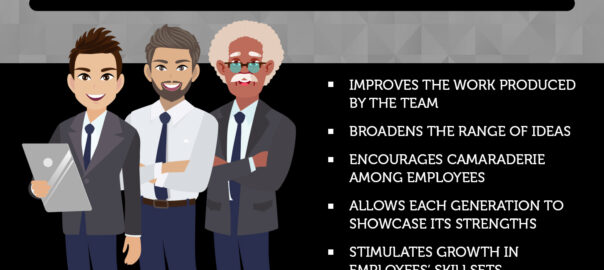

How to Manage Millennials and Intergenerational Teams

Merging Leadership and Management Training: The Strategic Advantage

In today’s complex business environment, organizations face a critical question about combining leadership development and management training tracks. This decision impacts talent development strategy, resource allocation, and organizational performance. At Management Training Institute, we’ve helped over 500 organizations implement integrated training approaches that yield measurable results—with some clients reporting up to 40% improvement in leadership effectiveness scores.

Definition of Leadership and Management Training

Leadership training focuses on developing the ability to influence, inspire, and guide teams toward a shared vision. It emphasizes strategic thinking, emotional intelligence, and change management capabilities.

Management training centers on the skills needed to plan, organize, and execute efficiently. This includes process optimization, resource allocation, and operational decision-making.

Leadership Training Focus:

  • Vision setting
  • Inspiring others
  • Strategic thinking
  • Emotional intelligence

Management Training Focus:

  • Planning
  • Organizing
  • Controlling resources
  • Process improvement

While these distinctions have traditionally shaped organizational development approaches, the boundaries between leadership and management continue to blur in modern workplaces. Our 20+ years of experience delivering both types of training confirms this trend across industries.

Are Leadership and Management Complementary

Leadership and management skills are highly complementary capabilities that create more effective organizational leaders when developed together. Today’s workplace demands professionals who can both inspire teams with compelling vision and implement practical systems to achieve results.

For instance, when launching a major initiative, a director must articulate an inspiring vision while also ensuring practical milestones are established. Similarly, when navigating organizational change, teams need both emotional support and clear process guidance.

How They Complement Each Other:

  • Leadership provides direction while management creates the path
  • Management systems transform leadership visions into reality
  • Leadership inspires commitment while management builds capacity
  • Both skill sets are increasingly needed at all organizational levels

A 2022 study by Harvard Business Review found that executives with strong skills in both domains achieved 32% better team performance outcomes than those who excelled in only one area.

Key Skills You Develop in Both Tracks

Communication

Effective communication takes different forms in leadership and management contexts. Leadership communication emphasizes inspiring others, while management communication focuses on clarity and actionability.

An integrated approach teaches professionals to:

  • Adapt communication styles based on context
  • Balance inspiration with practical instruction
  • Deliver feedback that addresses performance and development

In our recent training with a Fortune 500 technology company, participants reported a 45% improvement in team communication effectiveness after applying these integrated skills.

Decision-Making

Leadership decision-making often involves navigating ambiguity, while management decision-making typically relies on data analysis and established processes.

By developing both approaches, professionals learn to:

  • Make decisions that balance short-term needs with long-term vision
  • Apply appropriate frameworks based on the situation
  • Consider both analytical and intuitive factors

Our proprietary Decision Matrix framework helps leaders identify when to apply each approach for optimal outcomes.

Empathy

Empathy remains central in both leadership and management roles. Leaders use empathy to connect with team aspirations, while managers apply it to understand performance barriers.

Combined training approaches help professionals:

  • Recognize when empathy should drive decision-making
  • Create psychologically safe environments
  • Balance compassion with accountability

Time Management

Effective time management looks different through leadership and management lenses. Leaders prioritize activities that advance strategic goals, while managers optimize for efficiency.

An integrated approach teaches:

  • Strategic prioritization balanced with tactical execution
  • Delegation that develops team members
  • Creating systems that protect time for reflection and action

Why Merging These Programs Boosts Organizational Success

Organizations that combine leadership and management training typically experience several significant benefits, as documented across our client portfolio:

Separate Training ApproachMerged Training Approach
Skill development in silosIntegrated skill application
Gap between vision and executionSeamless connection from strategy to implementation
Inconsistent leadership languageUnified organizational approach
Redundant training contentCost-effective development programs
Extended implementation timelineFaster application of learning

Integrated training creates versatile professionals who can act like leaders while maintaining strong management capabilities. This adaptability translates into more agile teams and stronger succession pipelines.

Ways to Combine Leadership and Management Training

1. Conduct a Needs Analysis

We begin client engagements by identifying:

  • Current capability gaps across leadership and management domains
  • Business challenges that require integrated skills
  • Key roles where combined capabilities would create the most value
  • Existing strengths to leverage and weaknesses to address

Our certified organizational development specialists use validated assessment tools to establish accurate baselines.

2. Align Content With Organizational Goals

Effective integrated training connects directly to strategic priorities:

  • Customizing case studies to reflect actual business challenges
  • Incorporating company values and leadership principles
  • Addressing specific industry dynamics
  • Focusing on the particular stage of organizational growth

For a healthcare system client, we integrated patient experience metrics into leadership training, resulting in a 27% improvement in satisfaction scores.

3. Provide Interactive Practice-Based Sessions

Theory alone rarely translates to behavioral change. Our practical applications include:

  • Realistic simulations that require both leadership and management skills
  • Action learning projects addressing actual business challenges
  • Peer coaching and feedback on integrated approaches
  • Role-playing scenarios that mirror workplace dynamics

Participants in our programs apply concepts immediately, with 87% reporting skill application within one week of training.

4. Use a Blended Learning Approach

Our evidence-based delivery approach accommodates diverse learning styles:

  • Interactive workshops for skill practice and peer learning
  • Digital modules for concept introduction
  • Coaching to address individual development needs
  • Team-based projects for collaborative learning

This approach has been validated through pre/post assessments showing 3x greater skill retention than traditional single-mode delivery.

5. Offer Ongoing Support and Coaching

Sustainable development requires continued reinforcement through:

  • Follow-up sessions to address application challenges
  • Leadership circles for peer learning
  • Digital resources for just-in-time learning
  • Manager involvement to support skill application

Measuring Results and Long-Term Impact

1. Set Baseline Metrics

We establish clear measures before training begins:

  • Leadership and management competency assessments
  • Team performance indicators
  • Employee engagement measures
  • Organizational effectiveness metrics

2. Track Behavioral Changes Over Time

Our clients monitor visible changes in participant behavior:

  • Improved decision-making approaches
  • More effective communication techniques
  • Better resource allocation and prioritization

3. Evaluate Team and Organizational Performance

We help organizations connect individual development to team outcomes:

  • Project completion rates and quality
  • Employee engagement and retention
  • Customer satisfaction indicators

Integrating leadership and management training creates versatile professionals who can navigate complex business environments with both vision and practical execution skills. By thoughtfully combining these traditionally separate tracks, organizations develop more adaptable leaders while maximizing their development investment.

At Management Training Institute, we’ve refined our integrated training approach through work with over 1,000 leaders across industries. Contact us to discuss how our research-backed methodologies can be customized for your organization’s specific challenges and goals.


Smiling business leader with team behind

Comprehensive Leadership Training For High-Potential Employees

Organizations that invest in developing their high-potential employees gain a significant competitive advantage. At Management Training Institute, we’ve spent over 20 years designing research-backed leadership programs that transform promising talent into exceptional leaders. Our systematic approach combines behavioral science, practical application, and personalized coaching to prepare your high-potential employees for advanced leadership responsibilities.

What Is A High Potential Employee

High potential employees (HiPos) are individuals who demonstrate not only strong current performance but also the capacity to excel in future leadership roles. Based on our assessment of over 5,000 leaders, these employees typically represent the top 10-15% of talent within an organization. They demonstrate exceptional learning agility, drive for growth, and commitment to organizational values.

Key HiPo Characteristics:

  • Consistent performance excellence with measurable business results
  • Leadership aptitude that extends beyond current responsibilities
  • Strong alignment with organizational mission and values
  • Demonstrated adaptability during organizational change
  • Intrinsic motivation to take on increasingly complex challenges

Why Invest In High Potential Leaders

Our work with Fortune 500 companies has shown that investing in leadership development for high-potential employees delivers substantial returns. Organizations implementing structured HiPo programs experience 2.5x higher employee engagement, 60% improved retention rates, and significantly stronger succession pipelines. Clients report that this strategic investment builds organizational resilience and supports leadership success during critical transitions.

Benefits of HiPo Investment:

  • Strengthened succession planning for critical positions with 85% internal fill rates
  • Reduced recruitment costs, saving an average of $98,000 per senior hire
  • Enhanced employee engagement scores (25% above company averages)
  • Improved retention of top performers (92% retention at 3 years)
  • Accelerated organizational growth through increased leadership capacity

How To Identify People For A High Potential Program

Our proprietary LEAD framework provides a systematic identification process to select the right candidates for your high potential program.

1. Assess Current Performance

We use validated assessment tools to identify employees who consistently deliver exceptional results, focusing on those who:

  • Exceed targets and expectations for at least 2-3 consecutive performance cycles
  • Successfully lead projects with measurable business impact (15%+ above goals)
  • Demonstrate analytical problem-solving excellence across diverse challenges

2. Evaluate Leadership Aptitude

Through structured behavioral interviews and simulation exercises, we identify employees who already display leadership behaviors without formal authority:

  • Influence peers and drive team success in cross-functional initiatives
  • Proactively mentor colleagues, improving team performance
  • Take calculated risks on strategic opportunities
  • Articulate compelling vision and purpose to diverse stakeholders

3. Look For Cultural Fit And Values

Our cultural alignment assessment examines how well candidates embody organizational values while bringing diverse perspectives:

  • Consistently demonstrate core values in daily decision-making
  • Act as cultural ambassadors during change and challenge
  • Balance organizational alignment with constructive dissent
  • Model inclusive behaviors that strengthen team dynamics

4. Use Formal Assessments

We implement a multi-method evaluation approach to maintain objectivity:

  • Validated 360-degree feedback assessments with leadership competency benchmarking
  • Cognitive and emotional intelligence assessments
  • Structured behavioral interviews with cross-functional panels
  • Applied leadership simulations that replicate organizational challenges

Designing A High Potential Development Program

Our instructional design team creates high potential development programs that balance organizational priorities with individual growth trajectories.

1. Set Clear Objectives

We establish specific, measurable goals tied to business outcomes:

  • Improve leadership bench strength with 3+ qualified successors for each key position
  • Increase internal promotion rates by 30% within 18 months
  • Develop targeted leadership competencies aligned with your strategic plan

2. Outline Skill Requirements

Through competency modeling, we identify the critical capabilities needed for leadership success:

  • Strategic thinking and financial acumen for enterprise leadership
  • Team development skills including coaching and performance management
  • Change leadership capabilities for organizational transformation
  • Data-driven decision making and technology fluency

3. Decide On Learning Modalities

Our blended learning approach applies the proven 70-20-10 development model:

  • 70% experiential learning through carefully designed business challenge projects
  • 20% social learning via structured mentoring and facilitated peer collaboration
  • 10% formal training through immersive workshops and digital microlearning

Key Components Of High Potential Employee Programs

Our high potential programs integrate multiple development elements to maximize leadership growth, with measurable outcomes at each stage.

1. Experiential Projects

Participants engage in carefully designed assignments that accelerate development:

  • Business impact projects with measurable ROI (average 5:1 return)
  • Cross-functional challenges that build enterprise leadership perspective
  • Innovation initiatives aligned with strategic priorities

2. Mentoring And Networking

Our structured mentoring methodology fosters relationships that accelerate development:

  • Executive mentoring partnerships with clear accountability frameworks
  • Facilitated learning communities with peer coaching protocols
  • Strategic exposure to senior leadership through shadowing experiences
  • Cross-industry networking opportunities for external perspective

3. Ongoing Feedback And Coaching

Participants receive continuous development guidance through:

  • Quarterly performance dialogues using our GROW coaching framework
  • Executive coaching from ICF-certified coaches with industry expertise
  • Real-time feedback through our mobile leadership development platform
  • Detailed development planning with milestone accountability

Our programs provide comprehensive growth training for non-managers to succeed in management roles, creating a structured pathway from individual contributor to strategic leader.

Building HIPO Programs With Support

Management Training Institute provides robust support structures beyond formal training elements to ensure program success.

1. Structured Coaching Sessions

Participants receive personalized guidance through our certified coaching network:

  • Bi-weekly coaching sessions focused on specific development priorities
  • Progress tracking against individual development plans
  • Executive sponsor involvement at key milestones
  • Behavioral change measurement through pre/post assessments

2. High Potential Resources

We provide a comprehensive resource toolkit including:

  • Proprietary leadership assessment frameworks with industry benchmarking
  • Development planning templates with competency-based milestones
  • Digital learning library with on-demand resources
  • Action learning guides for real-time application

3. Peer Collaboration

Our facilitated peer learning methodology includes:

  • Cohort-based action learning teams with rotating leadership
  • Structured peer feedback protocols that build coaching capability
  • Case-based problem-solving sessions addressing real organizational challenges
  • Knowledge sharing platforms with facilitated discussion

Measuring Success In High Potential Programs

We implement a comprehensive measurement approach to track program effectiveness against business objectives.

1. Key Performance Indicators

Our measurement framework monitors specific metrics aligned with program goals:

  • Leadership readiness scores using standardized assessment tools
  • Competency development measured through pre/post evaluations
  • Business impact metrics from participant-led initiatives
  • Engagement and retention analytics compared to organizational benchmarks

2. Retention And Promotion Rates

We track talent mobility outcomes including:

  • Internal promotion percentages with time-to-promotion metrics
  • Retention rates at 1, 2, and 5-year intervals
  • Leadership pipeline health assessment using our succession strength model
  • Time-to-productivity in new roles following promotion

3. Participant Feedback

Our continuous improvement model collects qualitative insights on program effectiveness:

  • Module effectiveness ratings with specific application commitments
  • Quarterly learning application assessments
  • Development milestone tracking with manager validation
  • Longitudinal impact surveys measuring sustained behavior change

Common Challenges And Solutions

Drawing from our work with hundreds of organizations, we address typical program obstacles with proven solutions.

1. Program Drop-Off Prevention

Our engagement strategy maintains momentum throughout the development journey:

  • Structured accountability partnerships with monthly check-ins
  • Executive sponsorship with visible leadership involvement
  • Clear career pathing connected to development milestones
  • Applied learning projects with organizational visibility

2. Selection Process Objectivity

We implement fair and inclusive identification processes:

  • Validated assessment criteria with bias minimization protocols
  • Diverse evaluation panels trained in objective selection methods
  • Multiple assessment touchpoints to prevent single-point failure
  • Quarterly diversity metrics review with corrective action planning

3. Leadership Support

Our executive alignment approach secures and maintains leadership commitment:

  • Quarterly business impact reviews highlighting program ROI
  • Leadership involvement in program design and delivery
  • Participant success showcases with executive attendance
  • Strategic alignment sessions connecting program outcomes to business priorities

Management Training Institute brings 20+ years of specialized expertise in developing high-potential leaders across diverse industries. Our research-based methodologies and practical application tools accelerate leadership growth while delivering measurable business results. We collaborate with your organization to design customized solutions aligned with your culture, strategy, and talent priorities.

Request a free quote for management training programs tailored to your high potential leaders’ specific needs at Management Training Institute.


Video thumbnail: presenter and Dissolving Conflict

Building Accountability into Project Management Training

Accountability is one of the most important parts of successful project management. It means taking responsibility for your work, meeting deadlines, and making sure results are high quality. When accountability is included in project management training, teams become more reliable, productive, and motivated. Teaching accountability helps managers and team members understand their responsibilities and follow through on commitments.

Step 1: Understanding Accountability

The first step is to explain what accountability really means. It is not about blame or punishment. Instead, it is about taking ownership, being responsible, and communicating openly. Training should help participants understand that accountability means doing what you say you will do and taking initiative. This sets a strong foundation of trust and reliability in the team.

Step 2: Teach Clear Goals and Roles

Accountability is easier when everyone knows what they are responsible for and how their work connects to the overall project. Training programs can include exercises on setting SMART goals (specific, measurable, achievable, relevant, and time-bound) and on writing clear task assignments. This helps managers and team members track progress and recognize when adjustments are needed.

Step 3: Focus on Communication and Feedback

Training should also focus on communication and feedback. Regular check-ins, progress updates, and honest conversations help keep the team on track. Roleplay exercises can let participants practice giving and receiving feedback in a positive way. This keeps projects moving smoothly and improves teamwork.

Step 4: Empower Team Members

Accountability also grows when team members are empowered to make decisions. Project management training should show leaders how to delegate tasks properly and trust their teams to handle responsibilities. When people feel ownership over their work, they are more likely to stay committed and deliver results.

Step 5: Reflection

Finally, training should emphasize reflection and learning from results. At the end of a project, reviewing successes and mistakes helps teams understand what worked and what didn’t. This reflection builds continuous improvement and reinforces personal responsibility.


Building accountability into project management training creates stronger, more dependable teams. By defining accountability clearly, setting clear goals, improving communication, empowering team members, and encouraging reflection, organizations can foster a culture of ownership and performance. Call today to learn more about our management training programs and how they can help you build more confident, responsible, and successful teams.